
The short answer
For most domestic driveways, resin bound is the more capable system. Its porous surface can form part of a fully draining build, it gives a smooth finish with bonded stones, and it copes with vehicles over the correct base. Resin bonded is an impermeable scatter coat that needs on-site drainage or may require permission, and can shed stones as it ages. Its main advantage is a lower upfront price.
What is the difference?
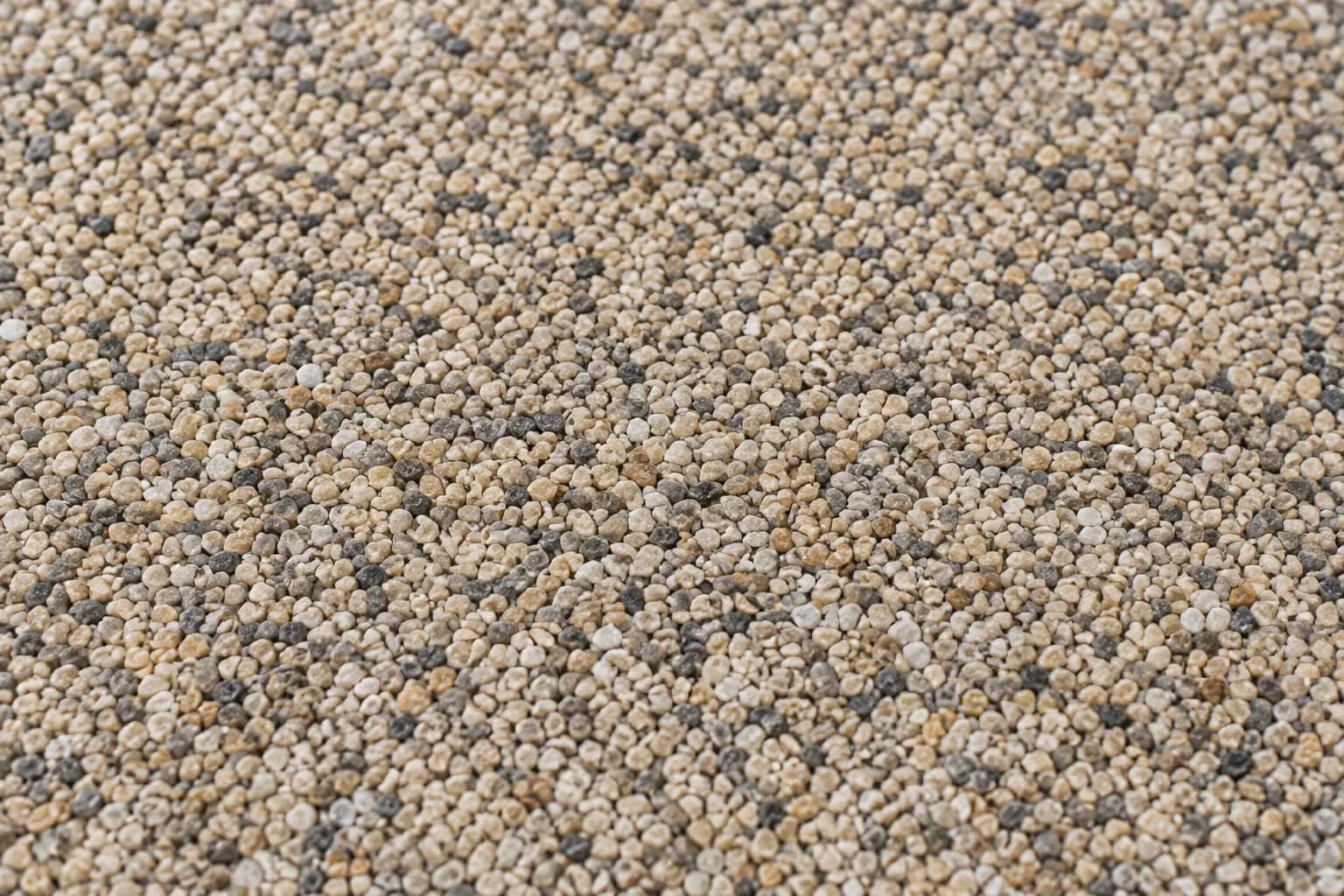
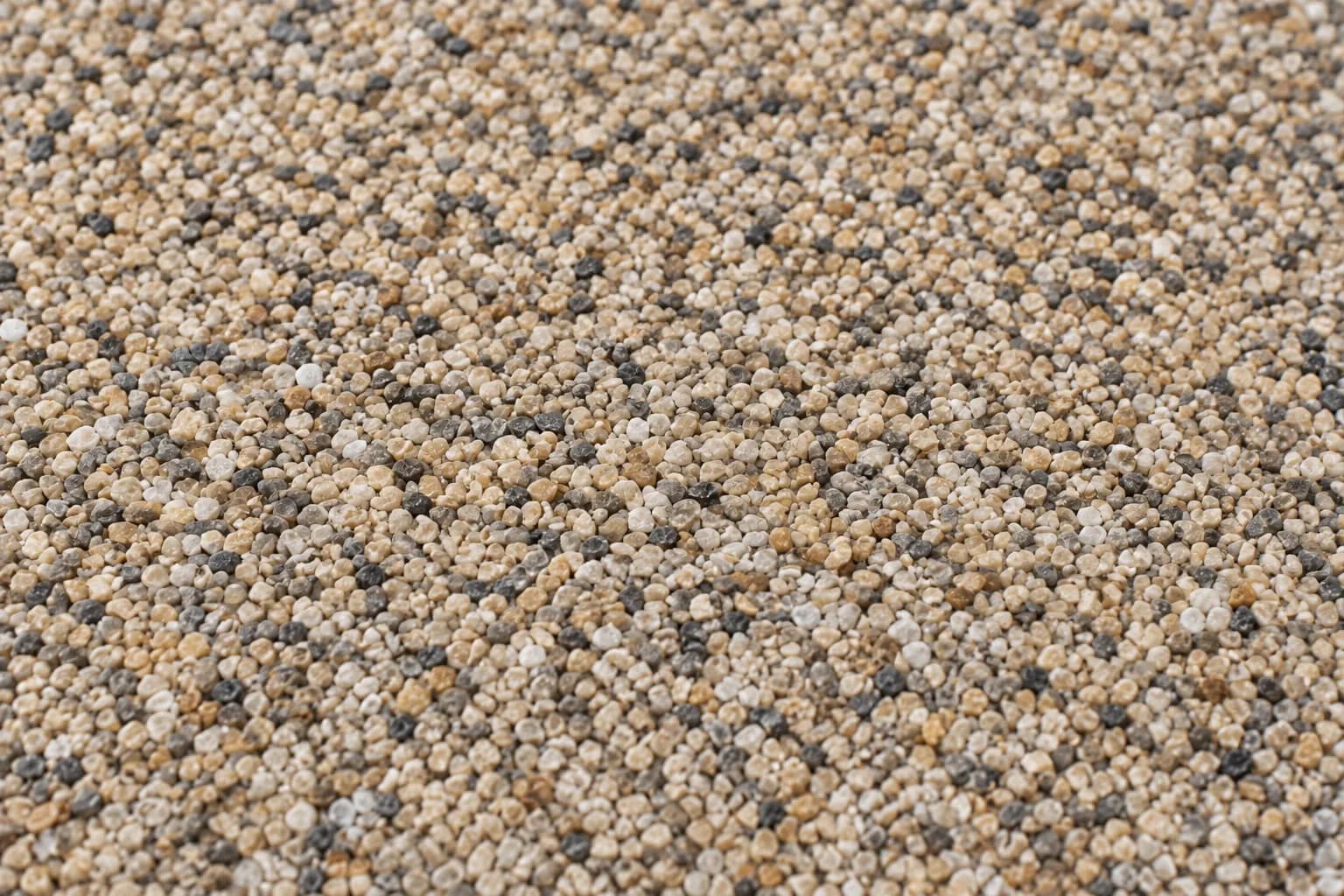
Resin bound is made by mixing kiln-dried decorative aggregate with a two-part resin in a forced-action mixer, then trowelling it onto a prepared base at the manufacturer-specified depth for the expected load. Every stone is coated, but the gaps between the stones stay open, so water drains straight through. The result is smooth and seamless. The surface layer is porous; the complete driveway is fully permeable only when the base beneath it also drains appropriately.
Resin bonded spreads resin across the base first, then scatters loose stone on top into the wet resin; the excess is swept off once cured. Only the bottom of each stone is fixed, giving a textured, loose-gravel look. A continuous film of resin seals the base, so the surface is not permeable.
Side by side
| Feature | Resin bound | Resin bonded |
|---|---|---|
| Method | Stone & resin mixed, then trowelled to a solid layer | Resin spread on base, stone scattered on top |
| Appearance | Smooth, seamless, no loose stones | Textured, rough, loose-gravel look |
| Drainage | Porous surface; fully permeable over a suitable draining base | Impermeable — the resin film seals the surface |
| Planning | Can meet the drainage condition as a complete permeable build | Needs on-site drainage or may require permission |
| Durability evidence | Check named-system evidence and older installations | Check abrasion performance and maintenance requirements |
| Typical cost | ~£60–£100/m² (more with a new base) | ~£35–£60/m² |
| Maintenance | Low — sweep, occasional jet wash | Moderate — watch for loose stones |
| Best for | Driveways, paths, patios — clean look + drainage | Budget jobs, footpaths, textured areas |
Permeability and planning permission
This is the biggest practical difference. Resin bound keeps the gaps between stones open, so its surface layer is porous. Over a suitable open-graded base it can form a complete permeable build; over sealed concrete or tarmac it still needs falls and on-site drainage. Resin bonded seals the ground with a film of resin, so it is impermeable. Planning rules differ across the UK and permitted-development rights can be removed locally — see the resin driveway planning guide before work starts.
Durability and lifespan
There is no verified lifespan range covering all resin products and installations. The fully bound layer holds aggregate through its depth, while resin bonded's thin scatter coat is more prone to losing stones over time. For either, the single biggest factor in how long it lasts is the quality of the base, not the resin itself.
Cost
Resin bonded is cheaper upfront, at roughly £35–£60/m² against about £60–£100/m² for resin bound (and more for bound if a new sub-base has to be excavated). Whole-life cost depends on the base, traffic, maintenance and whether either surface needs repair or renewal. You can price your own driveway with the resin driveway cost calculator, then get quotes to confirm.
When resin bonded still makes sense
Resin bonded is a fair choice when budget is the priority and you want a gravel-style look without loose stones rolling around; on a rear or side path where planning permission is not a concern; or where a rougher texture is wanted. For a main front driveway, resin bound often offers the more complete combination of drainage options, longevity and a contained surface. Once you have decided, our guide to choosing a resin driveway installer shows how to get it laid properly.